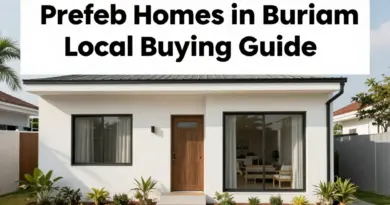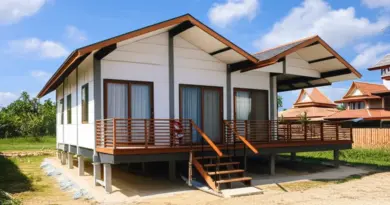


Prefabricated Homes in Surin: A Practical Guide for Buyers
The housing market in Surin is evolving, and many prospective homeowners are turning their attention toward modern construction methods. Choosing prefabricated homes in Surin offers a compelling alternative to traditional brick-and-mortar construction, promising faster build times, cost predictability, and consistent quality. Whether you are building a retirement home in the countryside or a secondary property near the city center, understanding the nuances of modular and prefab construction is essential for a successful project.
prefabricated homes in Surin: Understanding Prefabricated Homes
Prefabricated homes—often referred to as prefab or modular homes—are structures manufactured off-site in a controlled factory environment. These components are then transported to your plot of land in Surin and assembled on a pre-prepared foundation. Unlike traditional “site-built” homes where materials are exposed to weather fluctuations during construction, prefab components are protected, ensuring higher precision and structural integrity.
This method is becoming increasingly popular in Thailand due to the standardized quality control and the significant reduction in construction timelines. For buyers in Surin, this means you can often move into your new home in a fraction of the time it takes to manage a traditional construction crew.
Why Choose Prefab in Surin?
The decision to opt for prefab construction in the Isan region often boils down to three key advantages: speed, cost, and climate resilience. The climate in Surin involves distinct wet and dry seasons. Traditional construction can be delayed significantly by heavy rains, leading to cost overruns and material degradation. Factory-built components, however, are ready to be installed as soon as the foundation is cured, minimizing weather-related risks.
Comparison of Construction Methods
| Feature | Traditional (Brick/Concrete) | Prefabricated Homes |
|---|---|---|
| Construction Speed | Slow (6-12 months) | Fast (2-4 months) |
| Cost Predictability | Low (prone to overruns) | High (fixed factory price) |
| Quality Control | Variable (depends on labor) | High (factory standard) |
| Design Flexibility | High (on-site customization) | Moderate (modular limitations) |
Key Steps for Buyers
If you are ready to explore the market for prefabricated homes in Surin, follow this practical checklist to ensure your project stays on track and within budget.
- Site Assessment: Ensure your land in Surin is accessible. Prefab homes are delivered in large sections, so narrow rural roads or limited entry points must be vetted by the manufacturer first.
- Foundation Preparation: Even if the house is prefab, the foundation is not. Hire a local contractor to prepare the concrete slab or pier foundation to the exact specifications provided by the prefab manufacturer.
- Permit Acquisition: Do not assume the manufacturer handles all local Thai building permits. Verify who is responsible for submitting architectural plans to the local Surin administrative office (OrBorTor).
- Utilities Connection: Coordinate with local electricity and water authorities early. While the house arrives finished, connecting to the main grid is your responsibility.
- Warranty Review: Always request a detailed warranty on the structural frame, roof, and plumbing systems from the manufacturer.
Common Challenges and Limitations
While the benefits are clear, it is important to approach this with a balanced view. Prefabricated homes in Surin may have limitations regarding architectural customization compared to a custom-designed traditional home. Because the designs are modular, you are often working within a set catalog of layouts. Additionally, shipping costs can be a factor if the factory is located far from your specific district in Surin. Always obtain a quote that includes transport and crane assembly fees to avoid “hidden” costs upon delivery.
Conclusion
Investing in a home is a significant decision. Prefabricated homes offer a modern, efficient, and reliable solution for those looking to build in Surin. By prioritizing clear communication with manufacturers, ensuring your land is site-ready, and handling your local permits diligently, you can enjoy the benefits of a high-quality home with minimal stress. Take your time to research local providers and visit their showrooms to see the build quality firsthand before signing any contracts.
Frequently Asked Questions (FAQ)
Yes. Prefabricated homes are engineered to meet strict structural standards. When properly anchored to a solid concrete foundation, they are highly resilient to the wind and heavy rainfall typical of the Surin region.
Most manufacturers offer a selection of floor plans. While you may have limited options to change the structural layout, you can often customize finishes, such as flooring, wall colors, and kitchen fixtures.
Usually, no. The manufacturer provides the certified architectural plans required for local building permits. However, it is advisable to have a local contractor review these plans to ensure they comply with local soil and site conditions.