
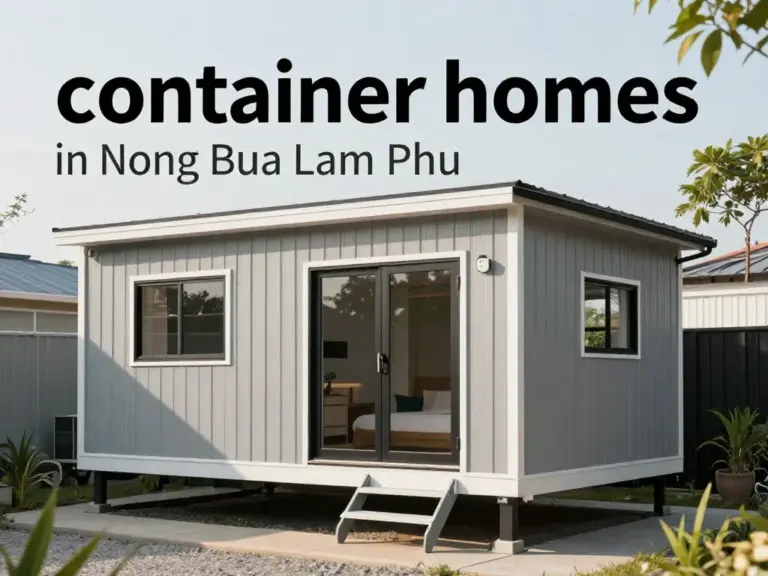
Container Homes in Nong Bua Lam Phu
- Container Homes in Nong Bua Lam Phu
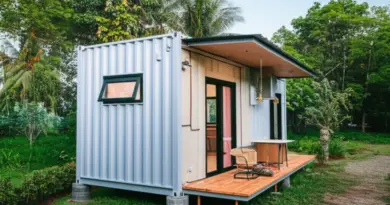
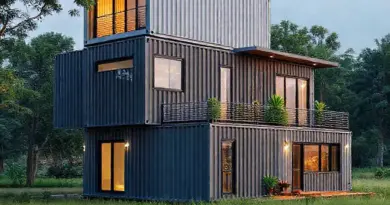
Building container homes in Nong Bua Lam Phu is an increasingly popular choice for those looking to blend modern industrial aesthetics with sustainable, cost-effective living. As this northeastern province continues to develop, the demand for unconventional and durable housing solutions has grown. While shipping containers are essentially steel boxes designed for sea transport, repurposing them into comfortable, climate-resilient residences requires careful planning, especially when adapting to the specific local environment of Thailand’s Isan region.
container homes in Nong Bua Lam Phu: The Appeal of Container Living in the Northeast
Why choose a container home? For many, the primary driver is the speed of construction. Unlike traditional brick-and-mortar homes which can take months of labor-intensive work, container structures arrive pre-formed. In Nong Bua Lam Phu, where land is plentiful and agricultural landscapes are common, these modular units offer a unique architectural statement. They are resistant to pests—a common concern in rural areas—and can be easily transported to remote plots of land.
Crucial Considerations for the Climate
The most critical challenge when building container homes in Nong Bua Lam Phu is thermal management. Thailand’s intense heat and high humidity can turn a steel box into an oven if not properly engineered. Passive cooling strategies are not just recommended; they are mandatory.
- Insulation is Priority Number One: Use high-quality spray foam or rock wool insulation. Standard foam boards are often insufficient against the direct tropical sun.
- Roofing Overhangs: Build a secondary, ventilated roof structure above the container. This creates a shaded air gap that prevents the steel roof from absorbing direct solar radiation.
- Ventilation: Cross-ventilation is essential. Position windows and doors to catch the prevailing winds, and consider installing solar-powered exhaust fans to push trapped hot air out of the ceiling cavity.
Comparison: Container Homes vs. Traditional Builds
| Feature | Container Home | Traditional Concrete Build |
|---|---|---|
| Construction Time | Fast (Weeks) | Slow (Months) |
| Cost Efficiency | High (Modular) | Variable (Labor intensive) |
| Durability | High (Steel structure) | High (if well-maintained) |
| Thermal Comfort | Requires advanced insulation | Naturally regulates heat |
| Flexibility | High (Modular expansion) | Low (Fixed structure) |
Site Preparation and Logistics
Before you order your containers, you must prepare your site in Nong Bua Lam Phu. Unlike a standard house, container homes require a stable, elevated foundation to prevent moisture from the ground from rusting the steel base. A concrete pier foundation is usually the most cost-effective and practical choice. Ensure your site is accessible by truck; shipping containers are bulky, and if your land is located down a narrow, unpaved rural road, you may face significant delivery challenges.
Checklist for Your Project
- Check local zoning laws and building permits specific to the district.
- Assess site accessibility for heavy crane and transport trucks.
- Plan for a raised foundation (piers or concrete slab) to prevent ground moisture.
- Design a secondary roof structure for shade and rain protection.
- Select high-quality thermal insulation materials.
- Ensure electrical and plumbing systems are planned for modular integration.
Maintenance and Longevity
Steel is durable, but it is not immune to the elements. In the humid environment of Northeast Thailand, rust is the enemy. Regular inspections are vital. Every 2-3 years, you should inspect the exterior paint for chips or scratches. If the protective coating is compromised, the steel will begin to corrode quickly. Using marine-grade paint can significantly extend the life of your home and reduce the frequency of maintenance cycles.
Conclusion
Building container homes in Nong Bua Lam Phu is an exciting venture for those willing to embrace innovation. While the process requires a shift in thinking from traditional construction methods—specifically regarding insulation and site logistics—the result can be a modern, resilient, and highly personalized home. By respecting the local climate and planning for the unique constraints of steel construction, you can create a comfortable, long-lasting dwelling that stands out in the Thai countryside.
Frequently Asked Questions (FAQ)
Yes, provided they are properly insulated. Without insulation, the steel walls will retain heat. Using spray foam insulation and a secondary roof structure makes them very comfortable, even in Thailand’s peak heat.
Yes. Even though it is a modular structure, it is considered a permanent building in most Thai jurisdictions. You should check with your local OrBorTor (Subdistrict Administrative Organization) regarding building permits and zoning regulations.
One of the biggest advantages of container architecture is modularity. You can start with one or two containers and easily add more to your structure as your needs or budget grow, provided your foundation was designed to accommodate future expansion.