
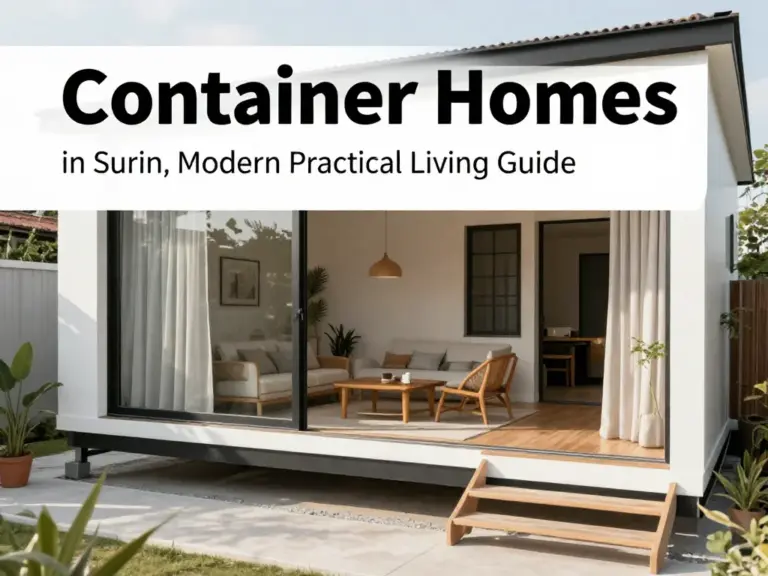
Container Homes in Surin: A Practical Guide for Modern Living
- Container Homes in Surin: A Practical Guide for Modern Living
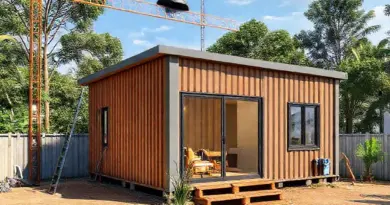
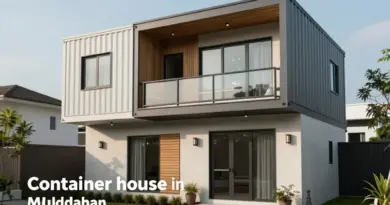
Building container homes in Surin is becoming an increasingly popular choice for those seeking affordable, durable, and stylish housing solutions. As a province known for its rich cultural heritage and agricultural landscape, Surin offers a unique backdrop for innovative architectural projects. Whether you are looking for a compact weekend retreat or a spacious family residence, shipping container architecture can be adapted to fit your needs while respecting the local environment.
container homes in Surin: Understanding the Appeal of Container Homes
The primary allure of container homes lies in their structural integrity and modular design. Built from weathering steel, these units are designed to withstand harsh maritime environments, making them naturally resistant to pests and moisture—two common concerns in tropical climates like Thailand. By repurposing these steel boxes, builders create homes that are not only eco-friendly but also significantly faster to assemble than traditional brick-and-mortar structures.
Key Planning Considerations for Surin
Before breaking ground on your project, you must account for the specific climate and logistical realities of the Surin region. The intense heat during the dry season and heavy rains during the monsoon require careful engineering.
Climate Control and Insulation
Steel conducts heat efficiently, which can turn a container into an oven if not properly insulated. For container homes in Surin, high-quality insulation is non-negotiable. Spray foam insulation is the industry standard for these structures because it creates an airtight seal, preventing heat transfer and condensation buildup. Additionally, orienting your home to minimize direct sunlight on the longest walls and incorporating cross-ventilation will drastically improve thermal comfort.
Foundation Requirements
While containers are strong, they are not weightless. A proper concrete foundation is essential to prevent the structure from sinking into the soil, especially during the rainy season when ground saturation is high. Consult with a local structural engineer to determine if a slab foundation or concrete piers are more suitable for your specific plot of land.
Comparison: Container Homes vs. Traditional Builds
| Feature | Container Homes | Traditional Concrete |
|---|---|---|
| Construction Time | Fast (Weeks) | Slow (Months) |
| Cost Efficiency | High (Modular) | Moderate to High |
| Climate Adaptability | Requires high-end insulation | Naturally cooler (Thermal mass) |
| Customization | Modular/Limited | Highly flexible |
Practical Checklist for Your Build
Follow this checklist to streamline the construction process of your container home:
- Site Survey: Assess soil stability and accessibility for heavy machinery (cranes/trucks).
- Permits: Ensure all building permits comply with local Surin municipal regulations.
- Container Quality: Inspect containers for rust, structural damage, and chemical residues (if previously used for shipping).
- Insulation Strategy: Prioritize spray foam or rock wool for heat mitigation.
- Roofing: Install a secondary “floating” roof to shade the container and allow airflow.
- Professional Help: Hire contractors experienced in steel fabrication, not just general masonry.
Addressing Common Misconceptions
A common myth is that container homes are inherently “cheap.” While they can be cost-effective, high-quality finishes, proper insulation, and structural reinforcements add up. Do not underestimate the costs associated with site preparation, transport, and interior fit-outs. Furthermore, some believe containers are “green” by default. While recycling steel is sustainable, the process of modifying, cutting, and welding containers requires significant energy. True sustainability comes from thoughtful design that maximizes energy efficiency and longevity.
Conclusion
Building container homes in Surin is a rewarding endeavor for those who value modern aesthetics and efficiency. By focusing on proper insulation, local climate adaptation, and solid engineering, you can create a comfortable, resilient home that stands out in the landscape. Always prioritize working with local professionals who understand the specific environmental challenges of the Isan region to ensure your project’s long-term success.
Frequently Asked Questions (FAQ)
Are container homes in Surin safe during the rainy season?
Yes, provided they are elevated on a proper foundation and the roof is correctly sealed. Preventing moisture accumulation under and around the container is key to avoiding rust and structural issues.
Can I stack shipping containers for a two-story home?
Absolutely. Shipping containers are designed to be stacked. However, you must ensure the foundation is engineered to support the increased weight, and all structural modifications (like cutting doors or windows) are reinforced with steel beams.
Do I need special permits for a container home?
Yes. In Thailand, any permanent structure requires building permits. Treat your container project the same as a traditional house; submit architectural drawings and structural plans to the local Surin administrative office.
How do I keep a container home cool in Thailand?
Use high-quality spray foam insulation, install a secondary “umbrella” roof to shade the container, and incorporate large windows for cross-ventilation. Proper orientation of the house relative to the sun is also critical.