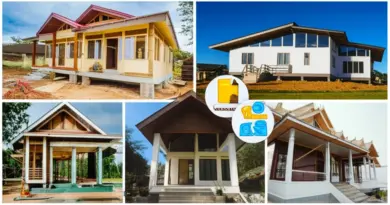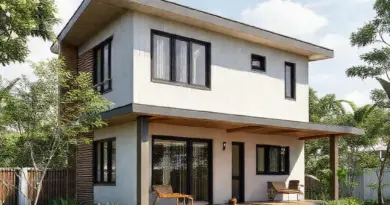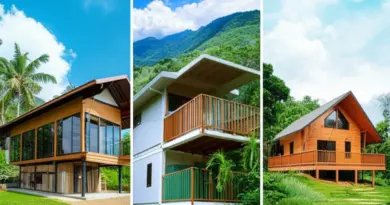

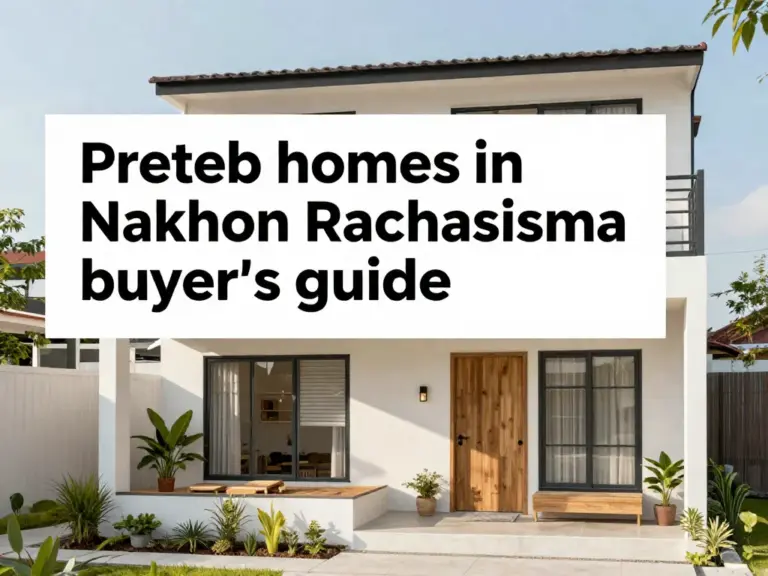
Prefab Homes in Nakhon Ratchasima: A Complete Buyer’s Guide
- Prefab Homes in Nakhon Ratchasima: A Complete Buyer’s Guide
The housing market in Northeast Thailand is evolving rapidly, and prefab homes in Nakhon Ratchasima are becoming a preferred choice for savvy property owners. Whether you are looking to build a vacation retreat near Khao Yai or a permanent family residence in the city, modular and prefabricated construction offers speed, cost predictability, and modern design flexibility. This guide explores the essential factors you need to know before committing to a prefab project in this region.
Understanding Prefabricated Housing in Thailand
Prefabrication, or modular construction, involves manufacturing building components in a controlled factory environment before transporting them to the final site for assembly. In Nakhon Ratchasima, this method is gaining traction because it minimizes the impact of erratic local weather on construction timelines and reduces material waste. Unlike traditional brick-and-mortar builds, which can be prone to delays, prefab homes are engineered to precise specifications, ensuring a faster turnaround time.
Benefits of Choosing Prefab Homes in Nakhon Ratchasima
The decision to opt for a prefab home comes with several distinct advantages, particularly in a climate like that of the Korat plateau. These structures are often designed with high-quality insulation materials that help keep interiors cool, reducing electricity costs associated with air conditioning. Key benefits include:
- Construction Speed: Because parts are pre-made, on-site assembly can often be completed in weeks rather than months.
- Cost Predictability: Factory settings lead to fewer unexpected costs compared to traditional on-site labor-intensive methods.
- Quality Control: Components are produced in a factory where humidity and structural integrity can be strictly monitored.
- Sustainability: Precision manufacturing results in less construction site waste.
Comparative Overview: Prefab vs. Traditional Construction
| Feature | Prefab Homes | Traditional Concrete Build |
|---|---|---|
| Construction Time | Fast (Weeks) | Slower (Months) |
| Cost Predictability | High | Moderate |
| Customization | Moderate (Modular) | High (Fully Bespoke) |
| Maintenance | Low (Modern Materials) | Moderate |
| Resale Value | Rising | Established |
Key Considerations for Your Nakhon Ratchasima Project
Before signing a contract, you must evaluate specific local requirements. Nakhon Ratchasima is a vast province with varying soil conditions and zoning regulations. Here is a checklist to guide your planning:
- Soil Testing: Ensure the ground can support the specific weight of your chosen prefab structure.
- Site Access: Verify that heavy delivery trucks can navigate the roads leading to your specific plot.
- Building Permits: Even prefab homes must comply with local Thai building codes. Engage a local architect or the builder to handle municipal filings.
- Foundation Requirements: Check if the builder provides the foundation or if you must hire a separate local contractor.
- Utility Connections: Coordinate with local providers for electricity and water hookups well in advance.
In Thailand, the Building Control Act applies to all residential structures. Prefab manufacturers usually provide the necessary structural drawings, but you are responsible for ensuring the site plan meets local district office standards. Don’t assume that because the house is “modular” it bypasses local legal requirements. Always verify that your builder is licensed to operate in the Nakhon Ratchasima area.
Finding the Right Builder
When searching for a partner to build your prefab home, look for companies with a proven track record in the Northeast. Ask for site visits to previous projects. A reputable builder will be transparent about the materials used, the insulation properties of the walls, and the warranty provided for the structural integrity of the unit. Avoid builders who cannot provide clear documentation or who are hesitant to show you their factory facilities.
Conclusion
Choosing prefab homes in Nakhon Ratchasima is an efficient and modern way to secure a high-quality living space. By focusing on site preparation, understanding the limitations of modular design, and verifying the credentials of your manufacturer, you can create a comfortable and durable home that stands up to the local climate. Take your time during the planning phase, and you will reap the rewards of a faster, more predictable construction process.
Frequently Asked Questions (FAQ)
A: Most modern prefab homes are designed with structural steel frames that offer excellent flexibility and durability, often meeting or exceeding standard safety requirements for the region.
A: Yes, but within limits. Most manufacturers offer a range of modular layouts that can be combined or modified to suit your specific lifestyle needs.
A: With proper maintenance and high-quality materials, a well-built prefab home can last as long as a traditional brick home, often 40-50 years or more.