
Container Homes in Nakhon Ratchasima: A Practical Guide for Buyers
- Container Homes in Nakhon Ratchasima: A Practical Guide for Buyers
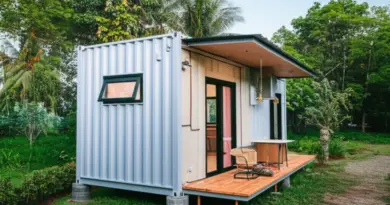
The popularity of alternative housing solutions is rising across Thailand, and for those exploring container homes in Nakhon Ratchasima, the region offers a unique blend of urban accessibility and rural affordability. Building a home from repurposed shipping containers is an innovative approach to modern housing, but it requires careful planning regarding the specific climate and regulatory environment of the Isan region. This guide provides a foundational overview of what you need to know before breaking ground.
container homes in Nakhon Ratchasima: Understanding the Local Context
Nakhon Ratchasima (Korat) presents specific environmental challenges and opportunities for container-based architecture. The climate is generally tropical, with distinct wet and dry seasons and high temperatures during the summer months. Unlike coastal regions, the inland location means humidity management and heat dissipation are your primary design priorities. Using shipping containers here isn’t just about stacking steel boxes; it is about engineering a comfortable living environment that respects the local weather patterns.
Key Planning Considerations
Before purchasing containers, you must address several critical factors that influence the long-term viability of your project. Failing to account for these can lead to structural decay or uncomfortable living conditions.
1. Thermal Insulation and Ventilation
Steel is a highly conductive material. Without proper insulation, a container home in Korat will essentially function like an oven during the peak of the dry season. Consider using spray foam insulation or mineral wool, combined with a ventilated facade or a secondary roof structure. An elevated roof (often called a ‘fly roof’) is highly recommended to provide shade and allow air circulation between the container roof and the external structure.
2. Zoning and Permits
Thailand has building codes that apply to all permanent dwellings, regardless of the material used. Even though it is a ‘container,’ if it is anchored to the ground and used as a residence, it is classified as a building. You must consult with your local district office (OrBorTor) in Nakhon Ratchasima to understand the building permit requirements, setback distances from property lines, and structural safety certifications.
Comparison: Traditional vs. Container Homes
| Feature | Traditional Brick/Concrete | Container Home |
|---|---|---|
| Construction Speed | Slow (months) | Fast (weeks) |
| Cost Efficiency | Standard | High (if modular) |
| Durability | High | High (with rust treatment) |
| Thermal Comfort | Natural thermal mass | Requires heavy insulation |
| Flexibility | Rigid | Modular/Portable |
Construction Checklist for Buyers
- Site Inspection: Does the land have access for heavy machinery? Transporting large containers requires crane access and wide roads.
- Container Grading: Always inspect ‘One-Trip’ containers. Avoid heavily rusted or damaged used containers that may have carried hazardous materials.
- Foundation Type: Consult a structural engineer. While containers are strong, they need a level, stable concrete footing to prevent uneven settling.
- Professional Contractors: Hire a team with specific experience in welding and modifying shipping containers, not just general masonry contractors.
- Utility Planning: Plan your electrical and plumbing rough-ins before final interior wall installation, as retrofitting inside a steel box is difficult.
The Reality of Maintenance
Maintenance for container homes in Nakhon Ratchasima is different from conventional housing. The biggest enemy is rust, especially given the seasonal rainfall. High-quality marine-grade paint and regular inspections of the roof and joints are mandatory. If you notice even small signs of corrosion, treat them immediately. Additionally, ensure that all cutouts for doors and windows are reinforced with steel framing to maintain the structural integrity of the container walls.
Conclusion
Building a container home can be a rewarding and efficient way to create a modern space in Nakhon Ratchasima. By prioritizing insulation, securing the correct permits, and working with experienced professionals, you can overcome the challenges inherent in this building method. Focus on the long-term performance of the structure rather than just the initial aesthetic, and you will have a durable, stylish, and functional home.
Frequently Asked Questions (FAQ)
Are container homes legal in Nakhon Ratchasima?
Yes, they are legal, but they must comply with Thai building codes. You must obtain a construction permit from your local administrative office, just as you would for a conventional house.
How do I handle the heat inside a container home?
The most effective solutions include installing high-quality spray foam insulation, adding a secondary roof (fly roof) to shade the container, and ensuring cross-ventilation through strategic window placement.
Is it cheaper to build a container home than a regular house?
It can be cheaper, especially if you use simple designs. However, the cost can rise quickly depending on the level of interior finishing, the need for structural reinforcement, and specialized insulation requirements.
Do I need a special foundation for a container home?
Yes, a concrete foundation is necessary to keep the container off the ground, prevent moisture-related rust, and provide a stable, level base.
References
Department of Public Works and Town & Country Planning (Thailand)