
Knock Down Houses in Buriram: A Practical Guide for Homeowners
The popularity of knock down houses in Buriram has surged in recent years, offering a compelling alternative to traditional brick-and-mortar construction. For many residents and property investors in this region, the efficiency, speed, and cost-effectiveness of modular or prefabricated structures provide a distinct advantage. Whether you are looking to build a vacation home, a rental property, or a primary residence, understanding the nuances of this building method is crucial for a successful project.
In this guide, we will explore the practical aspects of commissioning and installing knock down houses in Buriram. From navigating local regulations to selecting the right materials for the climate, we aim to equip you with the knowledge needed to make informed decisions for your property development.
Understanding Knock Down Houses
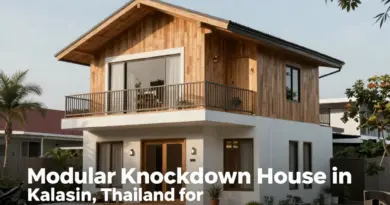
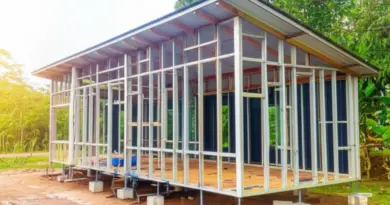
Often referred to as prefabricated or modular homes, knock down houses are structures built in a controlled factory environment before being transported to the site for final assembly. This manufacturing process allows for higher precision, reduced waste, and significantly faster on-site construction times compared to conventional techniques.
In the context of Buriram, these structures are often designed to be elevated or easily placed on a concrete slab, making them highly adaptable to various land types across the province. By moving the heavy labor to a factory, homeowners can avoid the logistical headaches of managing a construction crew on a remote site for months on end.
Benefits of Choosing Knock Down Houses in Buriram
Choosing to invest in knock down houses in Buriram offers several tangible benefits. Firstly, the speed of construction is unparalleled. While a traditional house might take six months to a year to complete, a knock down house can often be assembled in just a few weeks once the site is prepared.
- Cost Predictability: Since the house is built in a factory, you are less likely to encounter hidden costs associated with weather delays or material theft on-site.
- Quality Control: Factory settings ensure that structural components are built to precise specifications, minimizing the risk of human error.
- Portability: Some designs allow for future relocation, providing flexibility for land owners who may wish to move their home later.
The Essential Planning Process
Before you commit to a specific design, you must prepare your land and your budget properly. The planning phase is arguably the most important step in the entire process. Neglecting site preparation can lead to structural issues down the road.
- Site Assessment: Evaluate your land in Buriram. Is it prone to flooding? Does it have access to electricity and water?
- Permit Acquisition: Ensure you have the necessary building permits from local authorities. Even if the house is prefabricated, the foundation and placement must comply with local building codes.
- Foundation Preparation: Most knock down houses require a reinforced concrete slab or pier foundation. Ensure this is completed well before the house arrives.
- Access Logistics: Check that the road leading to your property is wide enough for the transport trucks to deliver the house sections.
Cost Factors and Budgeting
Budgeting for your project involves more than just the price of the structure itself. You must account for delivery, foundation work, and utility connections. The following table provides a breakdown of typical cost components you should anticipate.
| Cost Category | Description | Impact on Budget |
|---|---|---|
| Structure Purchase | The base cost of the prefabricated home | High |
| Transportation | Shipping cost from the factory to Buriram | Medium |
| Foundation Work | Concrete slab, pillars, and reinforcement | Medium |
| Utility Hookups | Plumbing, electricity, and septic systems | Low to Medium |
| Interior Finishing | Tiles, paint, and fixtures | Varies |
Finding Reliable Builders in Buriram
When searching for a builder or a manufacturer for your project, prioritize those with a proven track record. Look for companies that have experience specifically with the soil and environmental conditions of the Buriram region. It is always wise to visit their showroom or a previously completed site to inspect the build quality firsthand.
Ask for references and try to speak with past clients. A reputable builder will be transparent about their timelines, the materials they use, and their warranty policies. Be wary of quotes that seem significantly cheaper than the market average, as these often reflect poor material quality or hidden costs that will appear later in the project.
Maintenance and Longevity
Like any home, a knock down house requires regular maintenance to ensure longevity. In the humid climate of Northeast Thailand, it is essential to focus on wood treatment (if using timber) or rust prevention (if using steel frames). Regularly inspecting the roof for leaks and ensuring that the foundation remains stable are key to protecting your investment.
Proper ventilation is also crucial. Ensure that your design includes adequate airflow to prevent moisture buildup, which can lead to mold and structural degradation over time. By staying proactive with maintenance, you can enjoy your home for decades.
Conclusion
Investing in knock down houses in Buriram is a practical and efficient way to achieve homeownership. By carefully planning your site, budgeting for all associated costs, and selecting a reputable builder, you can navigate the process smoothly. While the modular approach offers speed and convenience, remember that thorough preparation remains the foundation of any successful building project.
Frequently Asked Questions (FAQ)
Yes, once assembled and secured to a proper foundation, these homes are considered permanent structures and must adhere to local zoning and building regulations.
Most manufacturers offer a variety of base models that can be customized to some extent. Discuss your layout and material preferences with the builder during the initial consultation.
The factory production time varies, but once on-site assembly begins, it can often be completed in a few weeks, depending on the complexity of the design and site preparation requirements.
While possible, it is a complex and costly process. It is best to treat the house as a permanent installation unless you have specifically purchased a design intended for mobility.
References
For further information on building standards and regulations in Thailand, you may consult resources provided by the Department of Public Works and Town & Country Planning. Always verify local municipal requirements with your district office in Buriram.