
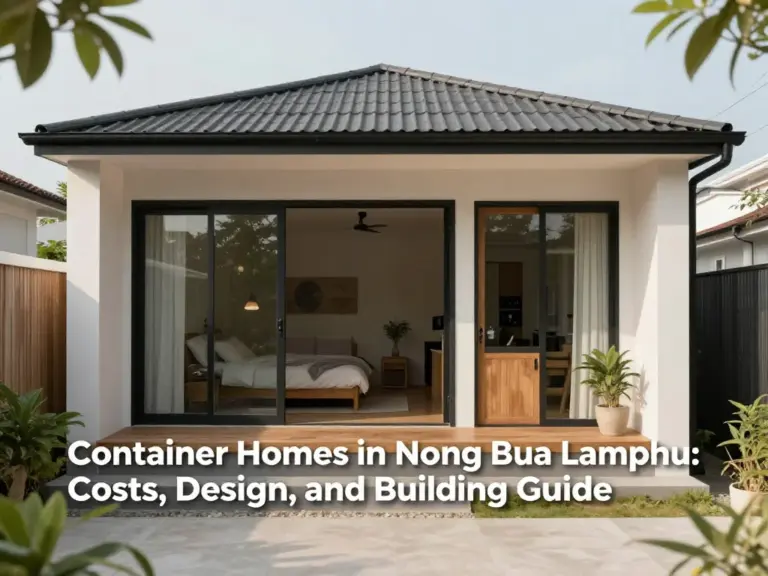
Container Homes in Nong Bua Lamphu: Costs, Design, and Building Guide
Building container homes in Nong Bua Lamphu has emerged as a compelling, sustainable alternative for those looking to create unique living spaces in Thailand’s northeast. By repurposing shipping containers, homeowners can achieve a modern, industrial aesthetic that is both resilient and relatively quick to assemble. However, navigating the logistics of modular construction in a provincial setting requires careful planning, local sourcing strategies, and an understanding of Thai climate considerations.
container homes in Nong Bua Lamphu: Understanding the Appeal and Reality
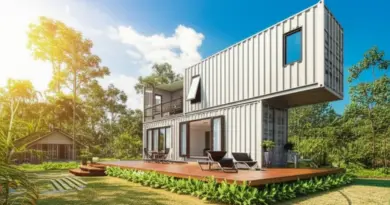
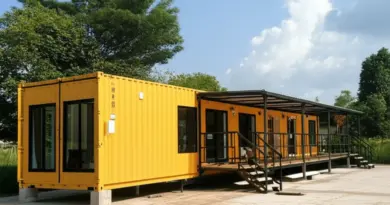
Shipping containers are essentially pre-fabricated steel structures, offering a robust frame that is wind and water-resistant. In Nong Bua Lamphu, where land is often spacious and agricultural, these structures serve as excellent primary residences, vacation homes, or farm offices. The primary draw is the speed of construction; while traditional masonry can take months, a container shell can be placed and welded in days. Yet, it is vital to remember that a container is a metal box. Without proper insulation and ventilation, it will become an oven in the tropical heat.
Cost Estimation for Container Projects
Budgeting for your build depends heavily on the level of finishing and the number of containers used. Below is a simplified cost comparison between container builds and traditional concrete construction in Thailand.
| Factor | Container Home | Traditional Masonry |
|---|---|---|
| Foundation | Light (Footings/Piles) | Heavy (Deep Piles) |
| Construction Time | Fast (4-8 weeks) | Slow (4-8 months) |
| Material Cost | Low to Moderate | Moderate to High |
| Insulation Need | High (Critical) | Low to Moderate |
| Durability | High (Corrosion risk) | High (Cracking risk) |
Design Considerations for the Isan Climate
Designing for the climate in Nong Bua Lamphu requires specific architectural strategies to ensure comfort. Metal conducts heat rapidly, making insulation the most important phase of your project. Use spray foam insulation (PU foam) or rock wool panels, followed by interior gypsum board walls. Additionally, consider an elevated roof structure—often called a ‘double roof’—that sits above the container. This creates an air gap, preventing direct sunlight from hitting the metal roof, which drastically reduces internal temperatures.
Step-by-Step Building Checklist
Follow this roadmap to ensure your project stays on track and within local regulations:
- Site Assessment: Check land accessibility. Can a large crane truck reach your plot in Nong Bua Lamphu?
- Legal Compliance: Obtain a building permit (Or Por 1) from your local Tambon Administrative Organization (TAO). Even for container homes, this is mandatory.
- Container Sourcing: Inspect containers personally. Look for ‘one-trip’ containers to avoid structural damage or chemical contamination.
- Foundation Work: Prepare the concrete footings to keep the steel off the ground, preventing rust.
- Utility Routing: Plan electrical and plumbing lines before welding the walls shut.
- Climate Control: Apply high-quality heat insulation and install cross-ventilation windows.
Common Mistakes to Avoid
Conclusion
Creating container homes in Nong Bua Lamphu is an achievable dream if you prioritize thermal insulation, structural integrity, and proper permitting. While the industrial aesthetic is appealing, successful long-term living depends on adapting these steel structures to the local environment. By working with experienced welders and following the correct legal pathways, you can build a durable, modern home that stands out in the landscape.
Frequently Asked Questions (FAQ)
A: Yes. All permanent structures in Thailand require a building permit from the local municipality or Tambon Administrative Organization (TAO).
A: They can be if not insulated properly. Using high-quality PU foam insulation and a secondary roof structure is essential for comfort in the Thai climate.
A: With regular maintenance, particularly against rust and corrosion, a well-built container home can last for several decades.