
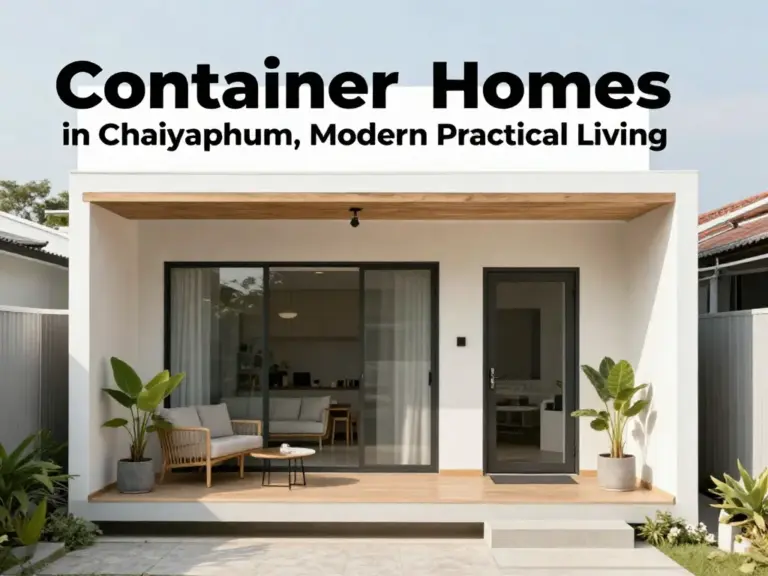
Container Homes in Chaiyaphum: A Practical Guide for Modern Living
Building container homes in Chaiyaphum is an increasingly popular choice for those seeking sustainable, affordable, and stylish alternatives to traditional construction. As the region embraces modern living, shipping container architecture offers a unique blend of industrial aesthetics and practical functionality. Whether you are looking to build a weekend retreat near the scenic Phu Laenkha National Park or a permanent residence in the city, understanding the local landscape is critical to your project’s success.
Why Choose Container Homes in Chaiyaphum?
Chaiyaphum’s diverse geography, ranging from flat plains to mountainous terrain, provides a stunning backdrop for architectural innovation. Opting for container homes here isn’t just a trend; it is a strategic decision. These structures are durable, modular, and can be transported to remote locations where traditional building materials might be difficult or costly to deliver. Furthermore, the rapid construction timeline is a major advantage, allowing homeowners to minimize on-site labor and material waste.
Key Considerations for Your Build
Before you begin your journey of building container homes in Chaiyaphum, there are several foundational factors to address to ensure your home is comfortable and compliant.
1. Climate and Insulation
Chaiyaphum experiences high temperatures, particularly during the summer months. Steel containers are excellent conductors of heat, which makes insulation the most critical phase of construction. Proper thermal management, including high-quality spray foam insulation, reflective exterior paints, and strategic roof shading, is non-negotiable for a livable environment.
2. Local Regulations and Permits
Even though container homes are modular, they are still considered permanent structures in the eyes of local authorities. You must consult with your local municipality (Thesaban) or the sub-district administrative organization (OrBorTor) to obtain the necessary building permits. Always ensure your design complies with structural safety codes.
| Feature | Traditional Home | Container Home |
|---|---|---|
| Construction Speed | Slow (Months) | Fast (Weeks) |
| Cost Efficiency | Variable/High | Generally Lower |
| Durability | High | Very High (Steel) |
| Design Flexibility | High | Modular/Fixed |
Checklist for a Successful Container Project
Follow this checklist to keep your project organized and on track:
- Site Selection: Ensure the land is accessible for large trucks and cranes.
- Foundation: Choose between concrete slab or pier foundations based on local soil stability.
- Professional Contractor: Hire a builder experienced in modular steel construction.
- Utilities: Plan for electricity, water, and sewage connections early in the design phase.
- Permits: Secure all legal documents before the containers arrive on-site.
Maintenance and Longevity
While steel is robust, it is susceptible to rust in humid or rainy environments. Regular maintenance is essential. This includes inspecting the exterior for paint chips, sealing all joints, and ensuring proper drainage around the foundation to prevent pooling water. By treating the steel with anti-corrosive coatings, you can significantly extend the lifespan of your property in Chaiyaphum.
Conclusion
Embracing container homes in Chaiyaphum offers a unique opportunity to blend modern, sustainable living with the natural beauty of the region. By prioritizing proper insulation, adhering to local building codes, and planning your site logistics carefully, you can create a safe, comfortable, and stylish home that stands the test of time.
Frequently Asked Questions (FAQ)
A: Yes, if built correctly. Shipping containers are designed to withstand harsh maritime environments. When anchored properly to a solid foundation, they are extremely resistant to high winds and structural stress.
A: Absolutely. Containers are designed to be stacked. However, this requires professional structural engineering to ensure the weight distribution is handled correctly, especially for the lower levels.
A: Often yes, primarily due to reduced construction time and labor costs. However, costs can escalate if you choose high-end finishes, complex modifications, or difficult site preparations.