

Prefab Homes in Buriram: A Complete Local Buying Guide
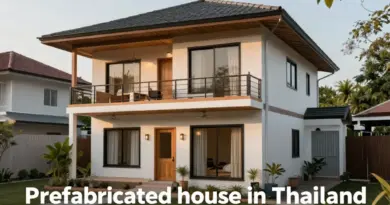
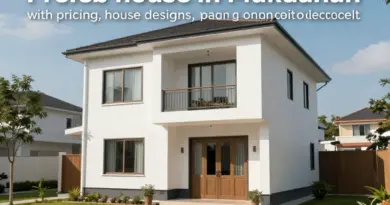
Building a property in the Isan region has evolved significantly, with prefab homes in Buriram becoming an increasingly popular choice for both locals and expatriates. As traditional construction faces rising labor costs and extended timelines, modular or prefabricated housing offers a streamlined, cost-effective, and modern alternative. This guide walks you through everything you need to know about navigating the local market, choosing the right contractors, and ensuring your investment stands the test of time in the Buriram climate.
prefab homes in Buriram: Why Choose Prefabricated Housing in Buriram?
The appeal of prefab homes lies in their efficiency. Unlike traditional “wet” construction, which relies heavily on on-site bricklaying and plastering—often subject to weather delays during the rainy season—prefab homes are manufactured in controlled factory environments. This results in higher precision, reduced waste, and a significantly faster assembly time once the components arrive at your plot in Buriram.
Key Benefits for the Local Market
- Speed of Construction: Most prefab units can be assembled in weeks rather than months.
- Cost Predictability: Since the components are factory-made, you avoid the common pitfalls of budget overruns caused by material waste or fluctuating labor productivity.
- Quality Control: Factory manufacturing ensures consistent structural integrity, which is essential for withstanding the intense heat and monsoon rains common in Buriram.
Evaluating Local Contractors and Manufacturers
Finding a reliable partner is the most critical step. While there are national brands that ship units nationwide, looking for local expertise in Buriram can save you on transportation costs and provide easier access to after-sales support. Always vet companies by visiting their existing projects or factory showrooms rather than relying solely on social media portfolios.
| Feature | Traditional Construction | Prefabricated Homes |
|---|---|---|
| Construction Time | 4-12 Months | 1-3 Months |
| Cost Control | Variable/High Risk | Fixed/Low Risk |
| Design Flexibility | High (Custom) | Moderate (Modular) |
| Foundation Needs | Standard | Reinforced/Specific |
The Buying Process: A Step-by-Step Checklist
Before you sign any contracts, ensure you follow this systematic approach to secure your new home:
- Site Survey: Have a professional engineer inspect your land in Buriram. Soil quality and access for heavy transport trucks are non-negotiable requirements.
- Permitting: Even if the house is prefabricated, you must obtain local building permits from the relevant Department of Public Works and Town & Country Planning.
- Foundation Preparation: Prefab homes require a specific type of foundation. Ensure your contractor provides clear specifications for the concrete slab or pier system.
- Contract Clarity: Ensure the contract includes the cost of transport, crane rental for assembly, and utility connections (water and electricity).
Common Risks and How to Mitigate Them
While prefab homes in Buriram are an excellent choice, they are not immune to issues. The most common challenges involve poor insulation and incorrect foundation leveling. Because Buriram experiences high temperatures, ensure the manufacturer uses high-quality thermal panels or double-wall systems. Additionally, verify that the company has a track record of handling the logistics of transporting large modules on rural Thai roads.
Conclusion
Investing in a prefab home in Buriram offers a modern, efficient path to homeownership. By prioritizing quality over the lowest price and ensuring your contractor understands the specific geographical challenges of the region, you can enjoy a durable, comfortable home with far less stress than traditional building methods. Take your time, inspect the factories, and plan your site logistics carefully.
Frequently Asked Questions (FAQ)
A: Yes, provided they are built with appropriate materials like steel frames and high-quality insulated panels designed for tropical weather.
A: Absolutely. In Thailand, any permanent structure, regardless of construction method, requires a building permit from the local municipality or sub-district administration organization (OrBorTor).
A: Generally, yes, due to reduced labor hours and material wastage. However, total savings depend on the level of customization and the cost of transporting the modules to your specific location.
References
For further information on building standards and regulations, please consult the official Department of Public Works and Town & Country Planning (Thailand).