
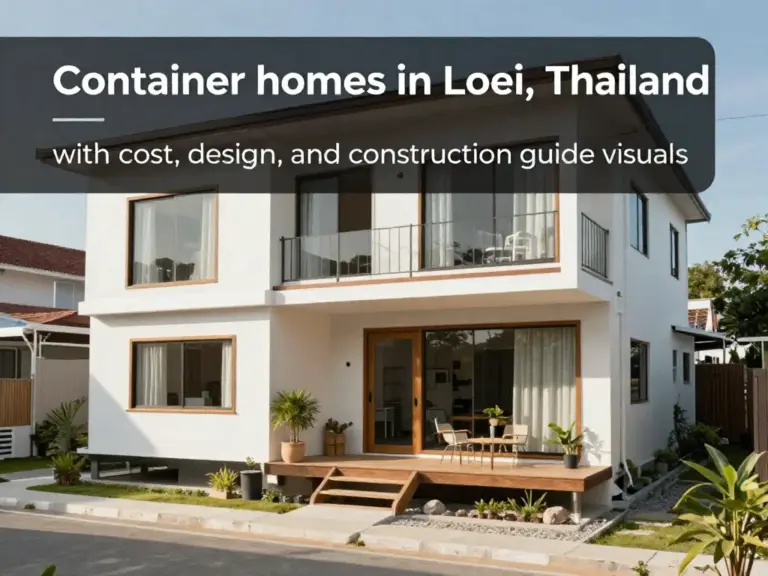
Container Homes in Loei: Complete Guide to Costs, Design, and Building
- Container Homes in Loei: Complete Guide to Costs, Design, and Building
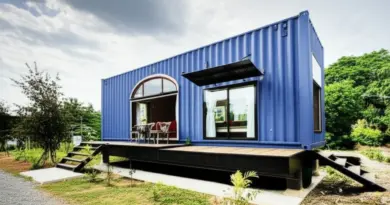
Building container homes in Loei is becoming an increasingly popular choice for those looking to blend modern industrial aesthetics with the province’s breathtaking mountainous landscapes. Whether you are looking to build a weekend retreat in Phu Ruea or a permanent residence near the Mekong River, shipping container architecture offers a unique, rapid, and sustainable alternative to traditional concrete construction. However, the unique topography and climate of Loei require a specialized approach to planning and execution.
In this guide, we will walk you through the essential aspects of creating your own container home, from understanding the specific costs involved to navigating the logistical challenges of transporting steel modules into the rugged terrain of northern Thailand. By the end of this article, you will have a clear roadmap for starting your project.
Container Homes in Loei: Why Loei is Ideal for Container Architecture
Loei offers a distinct environment compared to the central plains of Thailand. With its cooler winters and mountainous regions, it provides a unique backdrop for minimalist architecture. Container homes are modular by nature, allowing them to be stacked or arranged to capture panoramic views of the mountains without requiring massive, invasive foundations that destroy the landscape. The durability of corten steel is also well-suited for the region’s humidity and seasonal weather patterns, provided the structure is properly treated and insulated.
Cost Analysis: Budgeting for Your Project
Budgeting for container homes in Loei involves several moving parts. Unlike traditional masonry, where costs are mostly labor and material-heavy, container projects are heavily weighted toward logistics, site preparation, and interior finishing. You must account for the initial purchase of the container, modification costs, and the specialized transport required to reach remote plots in Loei.
| Cost Category | Estimated Range (THB) | Notes |
|---|---|---|
| Used Shipping Container (20ft) | 40,000 – 70,000 | Depends on condition/grade |
| Transportation to Loei | 15,000 – 30,000 | Varies by distance and road access |
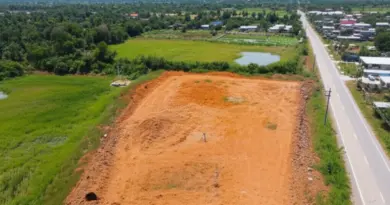
| Foundation & Site Prep | 50,000 – 150,000 | Crucial for uneven mountain terrain |
| Insulation & Finishing | 100,000 – 300,000+ | The largest variable cost |
Keep in mind that these figures are estimates. The cost of labor in Loei may be lower than in Bangkok, but you might face higher costs if you need to hire specialized contractors from larger cities who have specific experience with steel-structure modifications.
Design Considerations for Loei’s Climate
Loei is famous for its cooler winters, but it still experiences high heat in the summer and significant humidity during the rainy season. A common mistake is failing to insulate the container properly. Without adequate thermal barriers, a steel box can become an oven in the summer or freezing in the winter.
Thermal Insulation Strategies
For Loei, spray foam insulation is often the best choice because it fills every gap and prevents condensation, which is a major enemy of steel structures. Alternatively, rock wool panels provide excellent thermal and acoustic insulation. Ensure your design includes large, double-glazed windows with proper UV coating to allow for natural lighting while keeping the interior temperature stable.
Logistics: Transporting to Remote Areas
The most challenging part of building container homes in Loei is often getting the containers to the site. If your land is located in mountainous areas, narrow or winding roads can make it difficult for standard heavy-duty trucks to maneuver. Before purchasing your containers, conduct a site assessment with a local logistics provider.
Legal Requirements and Permits
In Thailand, any permanent structure requires a building permit. Even though your container home is modular, it is considered a permanent dwelling once it is affixed to a foundation and connected to utilities. You will need a certified architect or civil engineer to sign off on your plans. They will ensure the structural integrity of the modifications, particularly if you are cutting out large sections of the steel walls for doors and windows, which compromises the structural strength of the container.
Construction Checklist
Use this checklist to keep your project organized:
- Check zoning laws and building permits for your specific location in Loei.
- Assess road accessibility for heavy trucks.
- Select high-quality used containers (check for rust/structural damage).
- Hire a structural engineer to approve your modification plans.
- Prepare the foundation (concrete pillars are standard).
- Install proper insulation (Spray foam or rock wool).
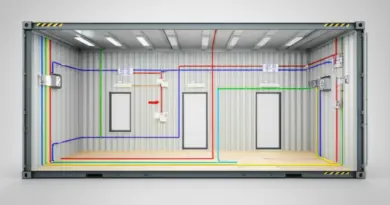
- Connect utilities (Electricity, water, and septic).
Conclusion
Building container homes in Loei is a rewarding project that allows for creativity and sustainability. By carefully planning your logistics, prioritizing high-quality insulation, and ensuring your project complies with local building codes, you can create a durable, beautiful, and modern home that complements the natural beauty of the Loei province. Take your time during the planning phase, and do not hesitate to engage local experts to handle the specific challenges of your site.
Frequently Asked Questions (FAQ)
Are container homes in Loei safe during the rainy season?
Yes, they are, provided they are properly treated against rust and elevated on a concrete foundation to prevent water pooling around the base. Proper roofing over the containers is also highly recommended to extend their lifespan.
Do I need an architect for a container home?
Yes. In Thailand, any structure that is intended to be a dwelling requires a permit, which necessitates plans signed by a licensed architect or engineer to ensure safety and compliance.
Can I build a container home on a budget?
Yes, container homes can be more cost-effective than traditional homes, but the savings are usually realized in the speed of construction rather than the materials themselves. Ensure you factor in transportation and professional engineering costs early in your budget.
References
Department of Public Works and Town & Country Planning (Thailand)