

Knock Down Houses in Loei: A Practical Guide for Homeowners
- Knock Down Houses in Loei: A Practical Guide for Homeowners
Building a home in the scenic province of Loei requires careful planning, and for many, the concept of knock down houses in Loei presents an attractive, efficient, and cost-effective solution. Whether you are looking for a weekend getaway in the cool mountains of Phu Ruea or a permanent residence near the Mekong River, the knock-down home model—often referred to as prefabricated or modular housing—has gained significant traction. This guide serves as a comprehensive resource for homeowners navigating the process, from understanding local regulations to selecting the best materials for the unique climate of Northeastern Thailand.
knock down houses in Loei: Understanding the Knock Down House Model
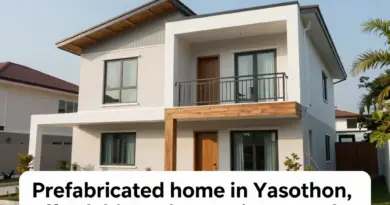
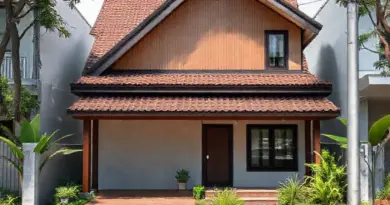
Knock down houses, or ‘Nock Down’ homes as they are commonly called in Thailand, are prefabricated structures manufactured off-site and assembled on your property. Unlike traditional brick-and-mortar construction, which can take months and involves extensive on-site labor and material logistics, these homes are built in factory settings. This method ensures consistent quality control and significantly reduces construction timelines. For homeowners in Loei, this is particularly beneficial as it minimizes disruption to the often rugged or hilly terrain typical of the region.
The speed of construction is the primary advantage. Once your foundation is prepared, the actual house assembly can often be completed in a matter of weeks, not months. This efficiency makes them a popular choice for those looking to establish a presence in Loei quickly without the logistical headaches of managing a long-term construction crew on remote sites.
Evaluating Costs and Budgeting
When budgeting for knock down houses in Loei, it is essential to distinguish between the ‘house price’ and the ‘total project cost.’ Many manufacturers provide a base price for the structure itself, which includes walls, roofing, and flooring. However, you must account for additional expenses that are often excluded from the base quote.
| Cost Category | Description | Budget Impact |
|---|---|---|
| Foundation Work | Reinforced concrete slab or stilts | High |
| Transportation | Shipping components from factory to Loei | Medium |
| Utilities Connection | Electricity, water, and sewage | Medium |
| Land Preparation | Clearing, leveling, and soil compaction | Variable |
| Permits & Fees | Local municipal building permits | Low |
Always request a ‘turnkey’ quote if possible, but be prepared to pay separately for site preparation, as this is highly dependent on the specific topography of your plot in Loei.
Site Preparation: The Critical First Step
Loei’s geography is diverse, ranging from flat agricultural plains to mountainous slopes. Before your house components arrive, the site must be ready to receive them. The foundation is the most critical element. Because knock down homes are structurally engineered, they require a precise foundation footprint. If your site is on a slope, you may need to invest in a raised concrete foundation or steel stilts, which can significantly alter your budget.
Choosing the Right Materials for Loei’s Climate
Loei is known for having some of the coolest temperatures in Thailand during the winter, but it can also be quite hot in the summer. When selecting your knock down house, pay close attention to insulation. Many standard models use fiber cement boards or thin wood siding. For comfort, ask your manufacturer about:
- Thermal Insulation: Ensure walls have rock wool or foam insulation to keep the house warm in winter and cool in summer.
- Roofing: Metal roofing is common, but it can be noisy during rain and transfer heat. Adding an insulating underlay is highly recommended.
- Windows: Opt for double-glazed windows if your budget permits, as they provide excellent thermal retention for the cooler months.
Checklist: Before You Commit to a Builder
Before signing any contracts, use this checklist to verify your contractor and the quality of the build:
- Check previous projects in Loei or similar provinces to verify their work history.
- Ask for a detailed breakdown of what is ‘included’ vs. ‘excluded’ in the price.
- Confirm if the price includes transportation to your specific district in Loei (some remote areas may incur extra fees).
- Review the warranty terms for both the structure and the labor.
- Verify that the builder has experience with local building codes and permits.
Legal and Regulatory Compliance
Even though your house is manufactured off-site, it is still a permanent structure and requires a building permit from the local Tambon Administrative Organization (OrBorTor) or the local municipality. Do not skip this step. Unauthorized structures can face legal complications, difficulty in obtaining water and electricity meters, and issues if you ever decide to sell the property. Always consult with a local engineer or the building department in your specific district in Loei to ensure your blueprints meet safety and zoning requirements.
Conclusion
Investing in knock down houses in Loei is a fantastic way to secure a beautiful, modern home with minimal stress. By understanding the importance of site preparation, choosing materials suitable for the local climate, and strictly adhering to legal building requirements, you can ensure your project is a success. Take the time to research your builder thoroughly, and you will soon be enjoying your new home in the heart of Thailand’s most scenic province.
Frequently Asked Questions (FAQ)
Yes, when built by reputable manufacturers using high-quality materials like steel framing and fiber cement, these homes are designed to be durable and long-lasting, often meeting or exceeding local construction standards.
Typically, the on-site assembly of a standard-sized knock down house takes between 2 to 4 weeks, depending on the complexity of the design and the size of the labor team.
Most manufacturers offer a range of standard models, but many are willing to customize layouts, add partitions, or adjust window and door placements to suit your specific needs.
While many companies provide ready-made blueprints, it is often advisable to have a local engineer or architect review the plans to ensure they comply with local building safety codes, especially for foundation requirements.