
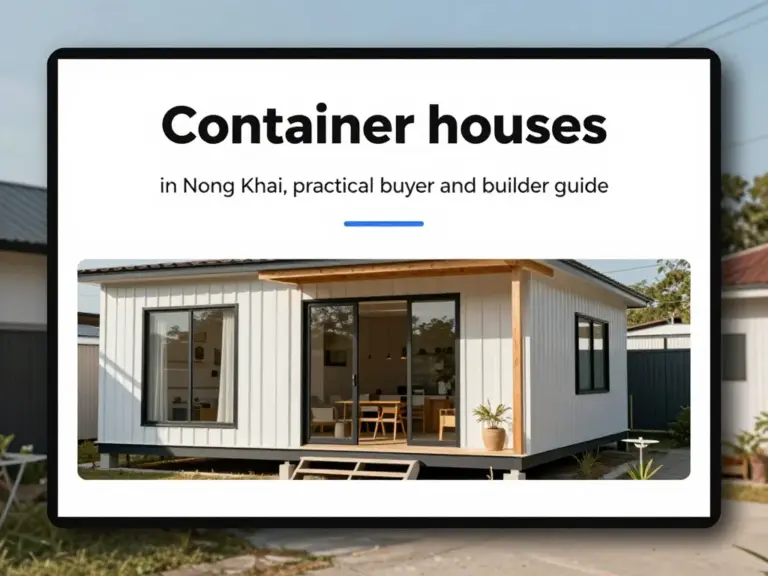
Container Houses in Nong Khai: A Practical Guide for Buyers and Builders
- Container Houses in Nong Khai: A Practical Guide for Buyers and Builders
- container houses in Nong Khai: The Appeal of Container Living in Northern Thailand
- Crucial Planning Factors for the Nong Khai Climate
- Comparison: Traditional Construction vs. Container Homes
- Navigating Permits and Regulations
- Checklist: Steps to Building Your Container Home
- Common Pitfalls to Avoid
- Conclusion
- Frequently Asked Questions (FAQ)
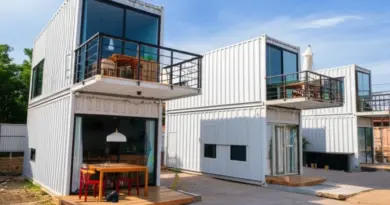
The rise of alternative construction methods has sparked significant interest in container houses in Nong Khai. As a region characterized by its proximity to the Mekong River and a distinct tropical climate, Nong Khai offers unique opportunities—and specific challenges—for those looking to build modular, repurposed steel structures. Whether you are a first-time buyer or an experienced contractor, understanding the local landscape, legal requirements, and material limitations is essential for a successful project.
container houses in Nong Khai: The Appeal of Container Living in Northern Thailand
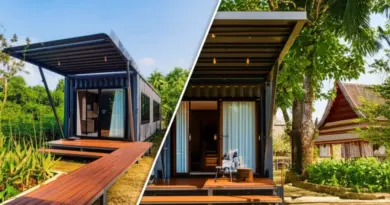
Container architecture is often praised for its speed, durability, and industrial aesthetic. In Nong Khai, these structures are increasingly popular for cafes, guesthouses, and private residences. The primary attraction lies in the shortened construction timeline compared to traditional brick-and-mortar homes. Since the structural shell is already complete, the focus shifts to insulation, foundation, and finishing, which can significantly reduce labor costs and on-site waste.
Crucial Planning Factors for the Nong Khai Climate
Building with steel in a tropical environment like Nong Khai requires careful engineering. The region experiences intense heat and heavy seasonal rainfall, both of which can negatively impact an uninsulated metal box. Without proper management, a container home can quickly become an oven during the day and a damp environment during the monsoon season.
- Heat Mitigation: Steel conducts heat rapidly. High-quality insulation (like spray foam or rock wool) is non-negotiable.
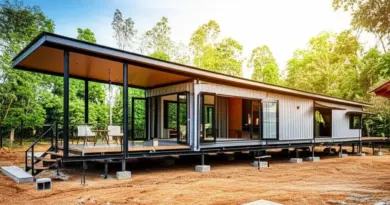
- Roofing: A secondary, elevated roof structure is highly recommended to shade the container from direct sunlight and allow airflow.
- Moisture Control: Proper ventilation and anti-rust treatments are critical to prevent corrosion from the high humidity near the Mekong River.
Comparison: Traditional Construction vs. Container Homes
| Feature | Traditional Brick/Concrete | Container House |
|---|---|---|
| Construction Time | Slow (Months) | Fast (Weeks) |
| Durability | High (with maintenance) | High (if rust-treated) |
| Insulation | Natural thermal mass | Requires high-grade insulation |
| Mobility | Permanent | Portable (Modular) |
| Cost Efficiency | Moderate | High (for simple designs) |
Before purchasing materials or hiring contractors, you must engage with local administrative authorities. In Thailand, building codes apply to all permanent structures regardless of the material used. Even if your home is modular, it is considered a building and requires a formal construction permit (Or.1). Ensure your architectural drawings are signed by a licensed engineer to satisfy local building control regulations. Failing to secure the proper permits can result in fines or forced demolition, regardless of how “temporary” you perceive the structure to be.
Checklist: Steps to Building Your Container Home
- Site Assessment: Check soil load-bearing capacity and flood risk near the Mekong basin.
- Design & Engineering: Consult an engineer to plan the foundation (concrete piers are common) and structural modifications.
- Permit Application: Submit blueprints to the local *OrBorTor* or municipal office.
- Sourcing Containers: Inspect shipping containers personally for structural integrity and chemical contamination.
- Construction Phase: Focus on welding, rust-proofing, and installing high-performance insulation.
- Utilities: Plan for electrical grounding and plumbing integration early in the framing phase.
Common Pitfalls to Avoid
Many builders make the mistake of buying containers without inspecting them for previous cargo usage. Some containers may have transported hazardous chemicals or toxic materials. Always request the container’s history. Furthermore, do not attempt to cut large openings (for doors or windows) without reinforcing the frame. The corrugated steel is a structural component; removing it without proper support can lead to roof sagging or total structural failure.
Conclusion
Building container houses in Nong Khai is a viable and exciting architectural choice for those who value modern design and efficiency. By respecting the local climate, securing the necessary legal approvals, and prioritizing structural integrity over aesthetics, you can create a unique, comfortable home that withstands the elements. Always prioritize professional consultation for the structural and electrical components to ensure your project is both safe and compliant.
Frequently Asked Questions (FAQ)
Q: Is it cheaper to build with containers than traditional concrete in Nong Khai?
A: Not necessarily. While the shell is cheaper, the cost of specialized insulation, metal-cutting tools, and anti-rust treatments can make the final price comparable to traditional construction. The value often comes from speed and design uniqueness rather than pure cost savings.
Q: Do I need a permit for a container house?
A: Yes. In Thailand, any structure intended for habitation requires a building permit. You must submit architectural plans to the local municipal office or sub-district administration organization (OrBorTor).
Q: How do I handle the heat in a container home?
A: High-quality insulation is critical. Use spray foam or rock wool, and ideally, construct an external roof over the container to provide shade and allow air to circulate between the roof and the container top.