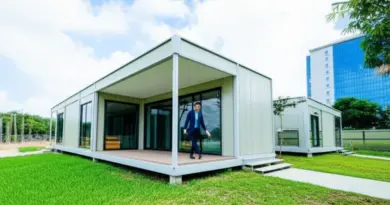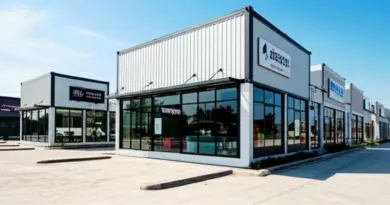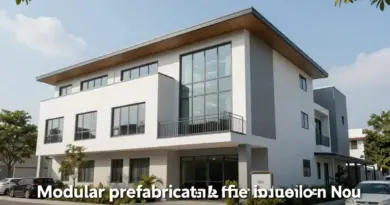

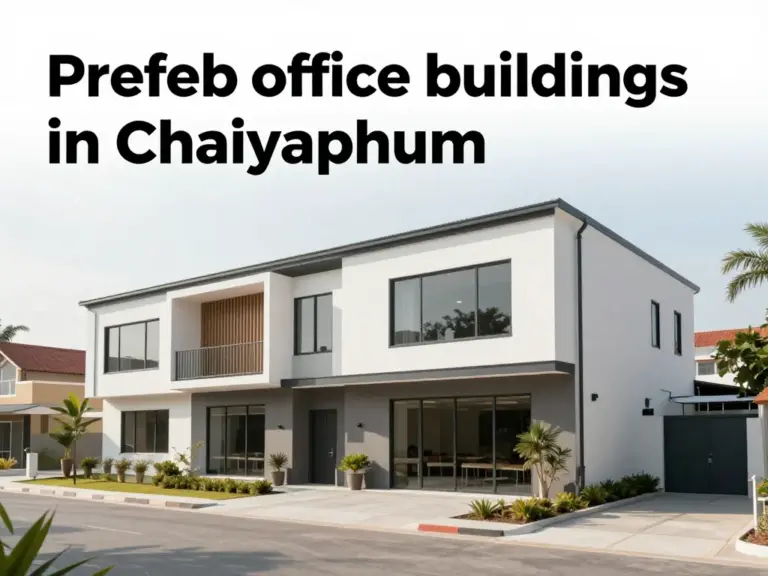
Prefab Offices in Chaiyaphum
For businesses looking to expand or establish a presence in the region, prefab offices in Chaiyaphum are emerging as a transformative construction solution. As the local economy evolves, the demand for fast, flexible, and cost-effective workspace has never been higher. Prefabricated (modular) offices offer a modern alternative to traditional brick-and-mortar construction, providing significant time and budget benefits without compromising on quality or aesthetics.
prefab offices in Chaiyaphum: The Growing Trend of Modular Construction
Modular construction, often referred to as prefabricated building, involves manufacturing sections of a structure in a controlled factory environment before transporting them to the site for assembly. In a province like Chaiyaphum, where logistics and labor availability can vary, this method provides a predictable timeline and consistent quality control. Whether you are setting up a site office for a construction project, a retail kiosk, or a permanent headquarters for a growing SME, prefab solutions provide the agility that modern businesses require.
Benefits of Choosing Prefab Offices
Adopting prefab office technology in Chaiyaphum comes with several distinct advantages that traditional building methods often struggle to match. By shifting the bulk of the construction process to a factory, businesses can mitigate many of the risks associated with on-site work.
- Speed of Deployment: Since site preparation and structural fabrication happen concurrently, timelines are drastically reduced.
- Cost Predictability: Factory settings minimize material waste and labor inefficiencies, leading to tighter budget control.
- Durability and Quality: Prefabricated components are built to precise engineering standards, ensuring they can withstand local weather conditions.
- Sustainability: Modular construction generates less waste and allows for more efficient material usage compared to traditional methods.
Comparing Construction Methods
| Feature | Traditional Construction | Prefabricated Offices |
|---|---|---|
| Construction Time | Slow (Months) | Fast (Weeks) |
| Cost Control | Variable (Risk of overruns) | High (Fixed pricing) |
| Site Disruption | High (Noise, dust, debris) | Low (Minimal activity) |
| Flexibility | Rigid | High (Expandable/Relocatable) |
Key Considerations for Your Project
Before diving into a prefab office project in Chaiyaphum, it is essential to plan correctly. While the process is streamlined, it still requires thorough preparation to ensure long-term success.
- Site Assessment: Ensure your land is suitable for modular transport. Consider road access, soil stability, and utility connections (electricity, water, and internet).
- Design Requirements: Determine your square footage, internal layout, and branding needs. Most prefab providers offer customizable modules that can be joined together.
- Regulatory Compliance: Even though it is modular, you must check local Chaiyaphum zoning laws and building codes. Always verify if your structure requires specific permits.
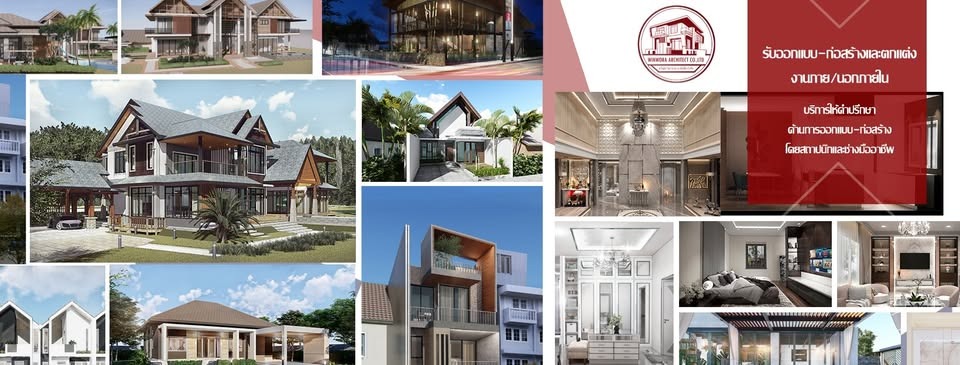
- Vendor Selection: Work with reputable manufacturers who have experience in the region. Look for portfolios of their previous work to ensure their design aesthetic matches your vision.
Common Misconceptions About Prefabricated Buildings
There is a lingering myth that prefab offices are low-quality or temporary “container-like” structures. In reality, modern prefab offices in Chaiyaphum can be architecturally stunning and highly durable. With advancements in insulation, glass technology, and exterior finishes, these offices can provide a professional environment that rivals any permanent building. They are not merely temporary solutions; many are designed to last for decades with minimal maintenance.
Conclusion
Investing in a prefab office is a strategic move for businesses in Chaiyaphum seeking efficiency and scalability. By leveraging the speed and reliability of modular construction, you can focus more on your core business operations rather than getting bogged down by the complexities of traditional construction management. Whether you are a startup or an established firm, the modular route offers a path to a modern, professional workspace that is both sustainable and cost-effective.
Frequently Asked Questions (FAQ)
A: Yes, most manufacturers allow you to customize the floor plan, interior finishes, and exterior cladding to meet your specific business branding and functional needs.
A: While fabrication takes a few weeks in the factory, the actual on-site assembly can often be completed in just a few days, depending on the size and complexity of the structure.
A: Yes, even modular structures require a solid foundation, such as concrete footings or a slab, to ensure stability and level placement, though the requirements are often simpler than for traditional buildings.
A: One of the primary benefits of modular construction is portability. Many prefab units are designed to be disassembled and moved to a new location if your business needs change.
References
For more information on modern construction standards and modular building techniques, consult the World Building and Construction resources or local industry architectural guidelines.