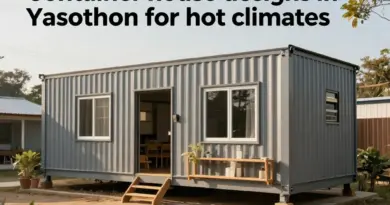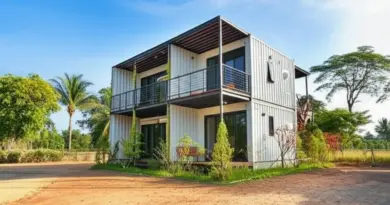

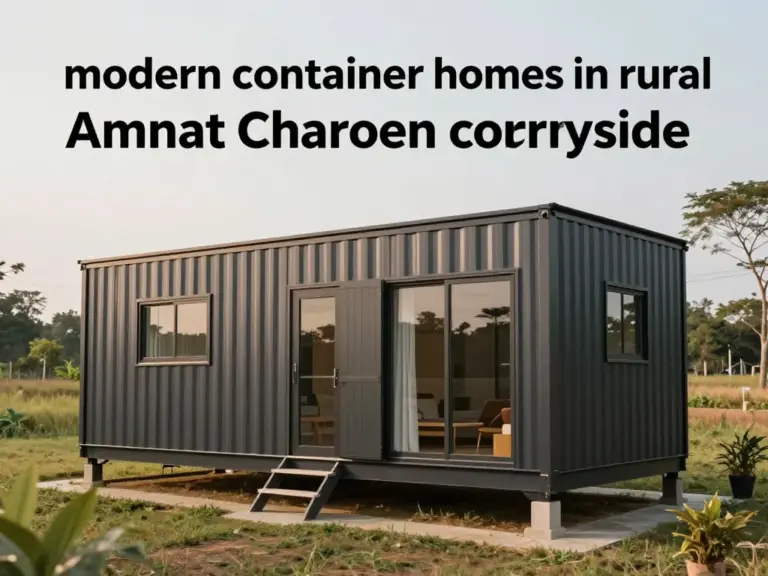
Container Homes in Amnat Charoen
The rise of alternative housing solutions has brought a unique architectural trend to Northeast Thailand. Exploring container homes in Amnat Charoen offers a fascinating look at how modular, repurposed shipping containers are transforming from industrial cargo carriers into comfortable, modern, and cost-effective residential spaces. For those looking to build in this region, understanding the practicalities of climate, local regulations, and design is essential for success.
Why Choose Container Homes in Amnat Charoen?
Amnat Charoen, characterized by its agricultural landscapes and distinct seasonal climate, presents a unique backdrop for container architecture. The appeal of these structures often stems from their durability and the speed of construction. Unlike traditional brick-and-mortar homes, which require long curing times and extensive labor, a container home can be prefabricated off-site and assembled relatively quickly once the foundation is ready.
Sustainability and Efficiency
Repurposing steel shipping containers is inherently eco-friendly. By giving a second life to these structures, homeowners reduce the demand for new construction materials like concrete and wood. In the hot climate of Amnat Charoen, however, thermal performance is critical. Proper insulation is not just a suggestion; it is a necessity to ensure the home remains habitable throughout the scorching summer months.
Key Considerations for Building in Northeast Thailand
Before diving into the design phase, you must address several environmental and logistical challenges specific to the region.
- Thermal Management: Steel conducts heat. You must invest in high-quality spray foam insulation or ventilated cladding to keep the interior cool.
- Foundation Stability: The soil type in parts of Amnat Charoen can vary. A reinforced concrete slab foundation is generally recommended to prevent shifting during the rainy season.
- Moisture Control: With high humidity during monsoon months, rust prevention and proper ventilation systems are vital to maintaining the structural integrity of the steel.
Comparison: Container Homes vs. Traditional Builds
| Feature | Container Home | Traditional Brick House |
|---|---|---|
| Construction Speed | Fast (weeks) | Slow (months) |
| Cost | Potentially Lower | Variable/Higher |
| Durability | High (if treated) | High |
| Customization | Modular/Limited | Very High |
Planning Your Project Checklist
Embarking on a construction project requires a structured approach. Use this checklist to stay organized:
- Site Assessment: Evaluate land drainage and access for heavy machinery to place the containers.
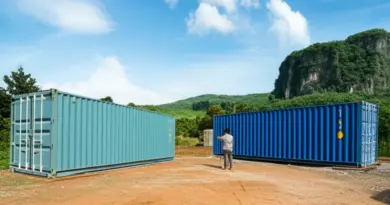
- Container Selection: Inspect containers for structural damage, rust, and chemical contamination (avoid containers used to transport hazardous goods).
- Design & Architecture: Work with an architect familiar with modular structures to optimize airflow and light.
- Permitting: Submit architectural plans to the local authorities in Amnat Charoen.
- Contracting: Hire contractors experienced in steel fabrication or welding, as standard home builders may not have the necessary expertise for container modifications.
Common Misconceptions
One common myth is that container homes are always cheaper than traditional builds. While the base unit cost is low, the cost of modifications—cutting windows, adding insulation, structural reinforcements, and specialized plumbing—can quickly escalate. It is essential to budget for these finishing details rather than just the shell cost.
Conclusion
Building container homes in Amnat Charoen is an exciting venture for those who value innovation and modern aesthetics. With careful planning, a focus on climate-specific insulation, and adherence to local regulations, these homes can provide a comfortable and stylish living environment. Whether you are building a small weekend retreat or a full-time residence, the key lies in treating the container not just as a box, but as a modular component of a larger, well-engineered architectural design.
Frequently Asked Questions (FAQ)
Are container homes legal in Amnat Charoen?
Container homes are generally permitted, provided they meet local zoning laws and building safety standards. You must obtain building permits just like any other residential construction project.
How do you keep a container home cool in Thailand’s heat?
Effective insulation is the most important factor. Using spray foam insulation, installing a raised roof or canopy to shade the container, and ensuring cross-ventilation are highly effective strategies.
How long do container homes last?
With proper maintenance, specifically rust prevention and painting, a steel container home can last for several decades, comparable to the lifespan of a conventional structure.
Can I stack containers to make a two-story home?
Yes, containers are designed to be stacked, but this requires professional engineering consultation to ensure the foundation can support the weight and that the structural integrity is maintained when the steel is cut for doors and windows.